
DIY Lock Repair: When to Fix It Yourself and When to Call a Professional


Understanding DIY Lock Repair
Locks are an essential part of home security, and when they malfunction, it can be a real headache. While some lock issues are simple enough to tackle on your own, others require the expertise of a professional locksmith. Knowing the difference can save you time and money.
Before diving into any repair, it's important to assess the complexity of the issue. Simple problems like a loose doorknob or a sticky lock can often be resolved with basic tools and a little patience. However, more intricate problems might need professional attention.
Common Lock Problems You Can Fix Yourself
Loose Doorknob or Handle
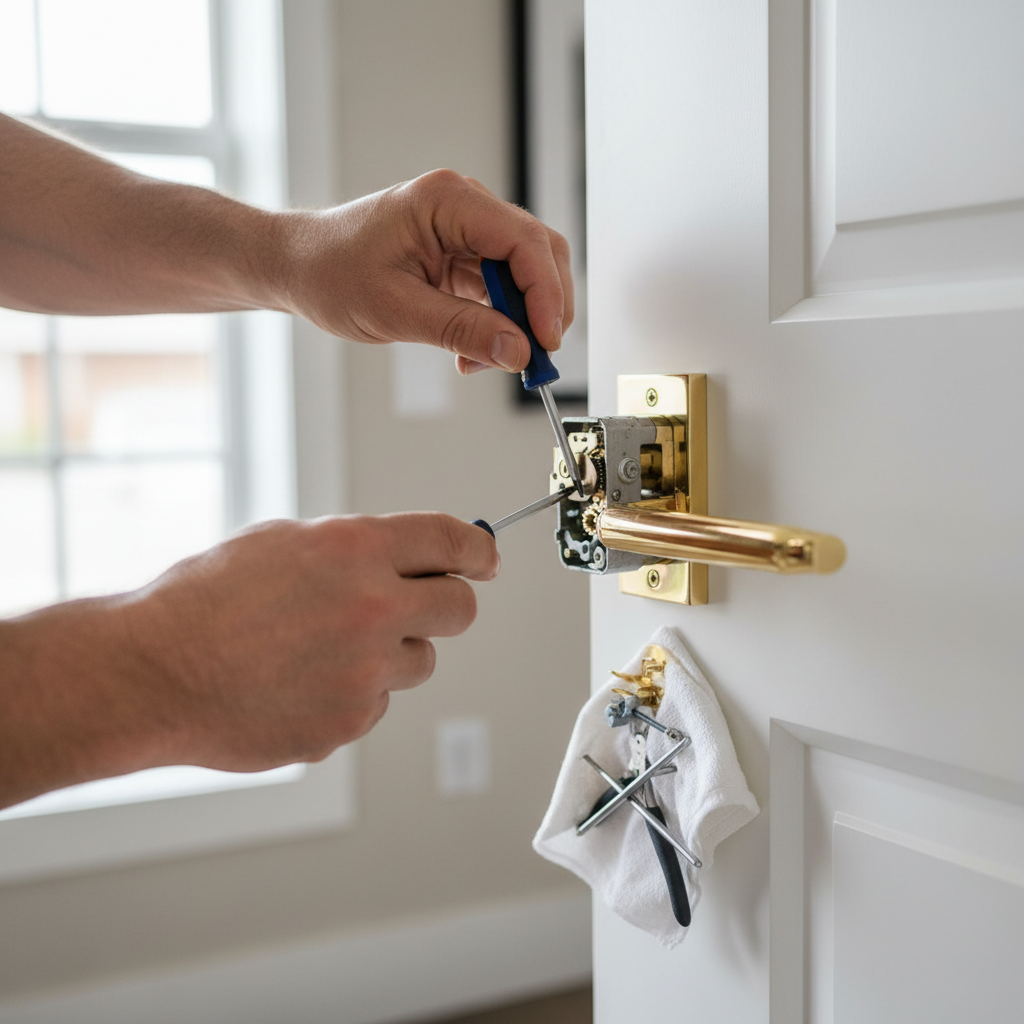
A loose doorknob is a common issue that can usually be fixed with a screwdriver. Check for loose screws and tighten them. If the problem persists, consider replacing the screws with longer ones for added stability.
Key Sticking in the Lock
When a key sticks in the lock, it often indicates a need for lubrication. Use a graphite-based lubricant to avoid attracting dirt. Insert the key and twist it gently while applying the lubricant to ensure even distribution.
Misaligned Door Latch
If your door latch is misaligned, making it difficult to close the door, you can often fix this by adjusting the strike plate. Loosen the screws, reposition the plate, and then retighten the screws.
When to Call a Professional Locksmith
Broken Key Extraction
If a key breaks off inside the lock, it’s best to call a professional. Extracting a broken key without the right tools can damage the lock further, leading to more costly repairs.
Lock Replacement
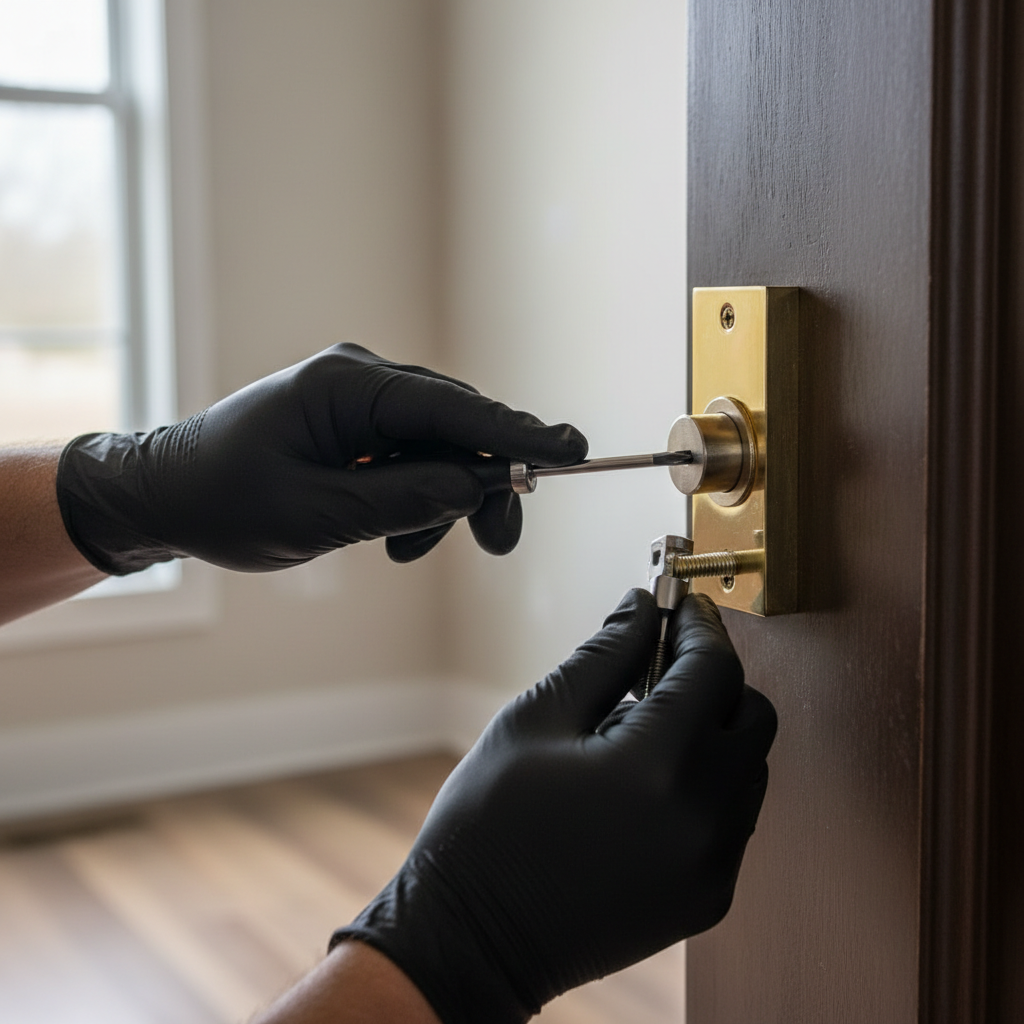
For tasks like replacing a lock entirely, especially if it involves a more complex mechanism like a smart lock, professional installation ensures it functions properly and maintains security.
Security Upgrades
If you’re looking to upgrade your home security, consulting a locksmith can provide you with the latest options and ensure they are installed correctly. This is crucial for maintaining the integrity of your security system.
Tips for DIY Enthusiasts
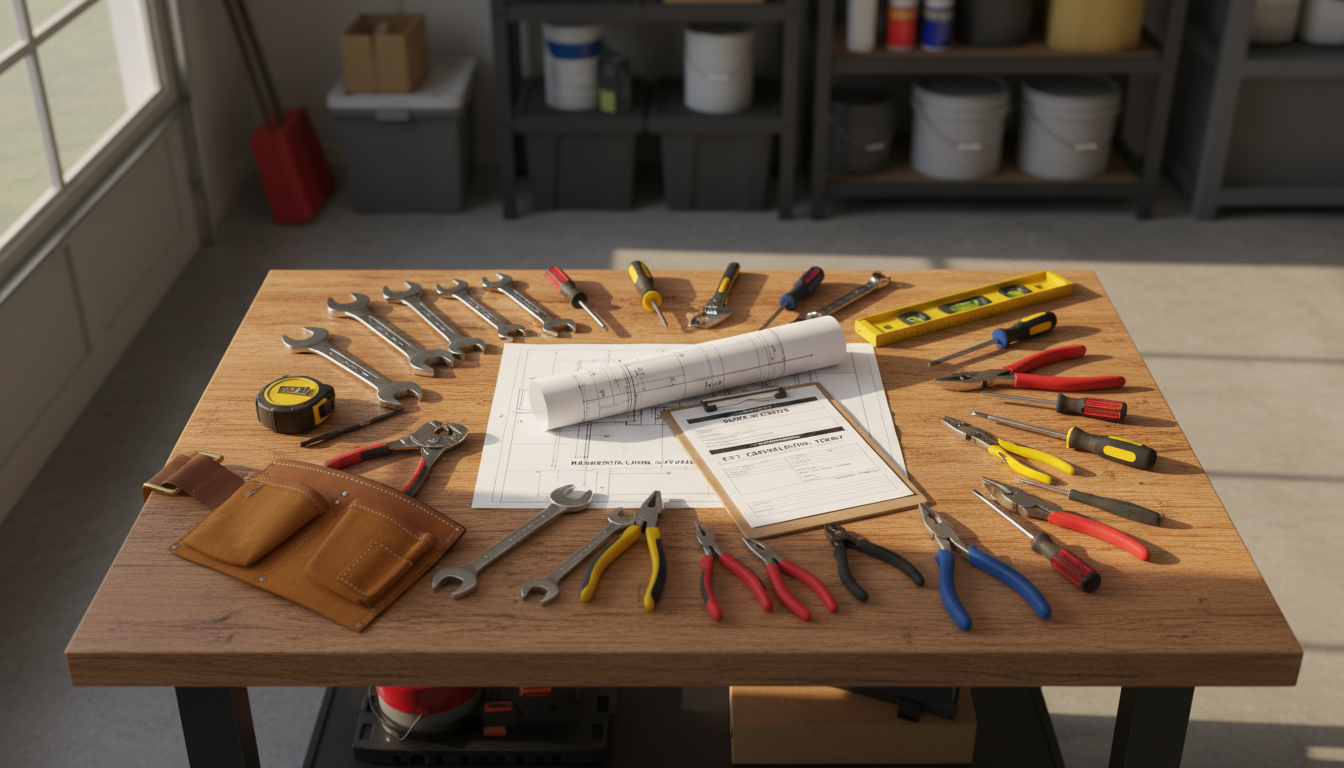
If you're committed to tackling lock issues on your own, make sure you have the right tools. A basic toolkit for lock repair should include screwdrivers, pliers, and lubricants. Also, consider watching tutorials or reading guides specific to your lock type.
Remember, while DIY repairs can be satisfying and cost-saving, your safety should always come first. If you’re ever in doubt, don’t hesitate to call a professional. Properly functioning locks are vital to your home security, and sometimes investing in expert help is the best decision.